Pricing a Roland Park home is not a simple zip code exercise. Two houses on the same block can sell very differently based on style, renovation level, lot setting, and even which side of the street they sit on. If you are planning a spring listing, you want a price that attracts serious buyers and protects your bottom line. This guide gives you a clear, local framework to set a confident list price using the factors that matter most in Roland Park. Let’s dive in.
Roland Park market basics
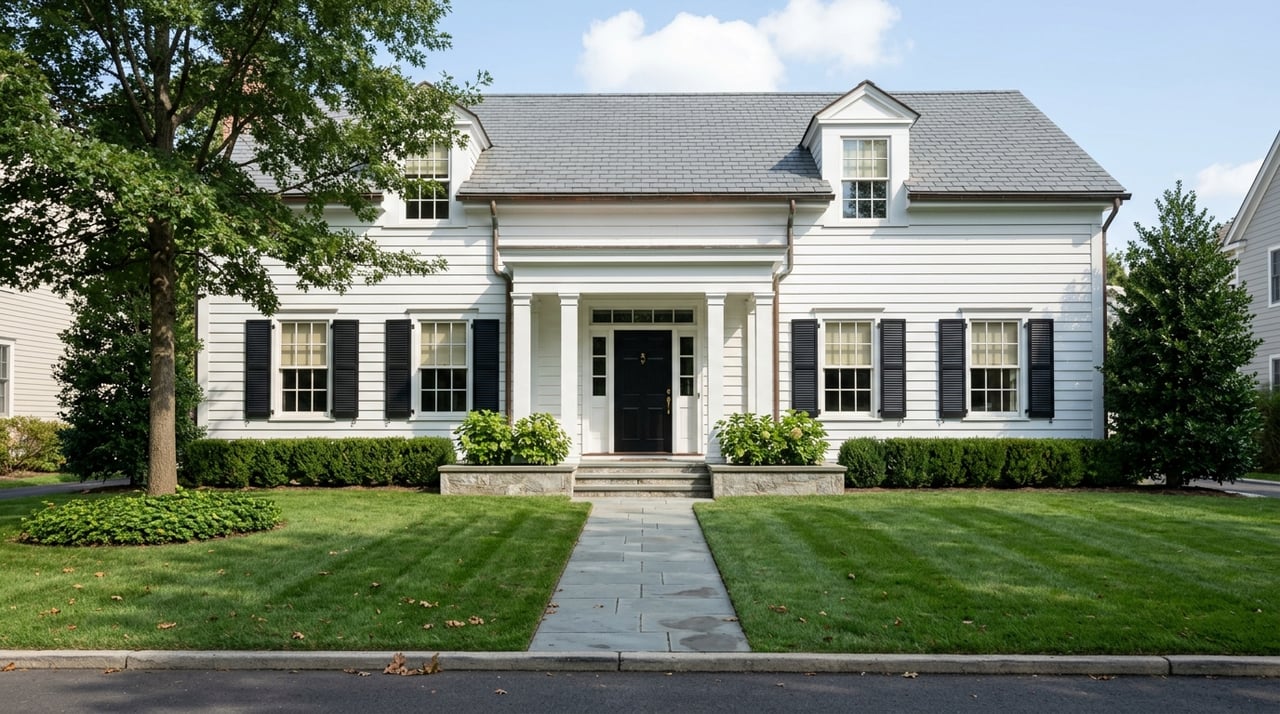
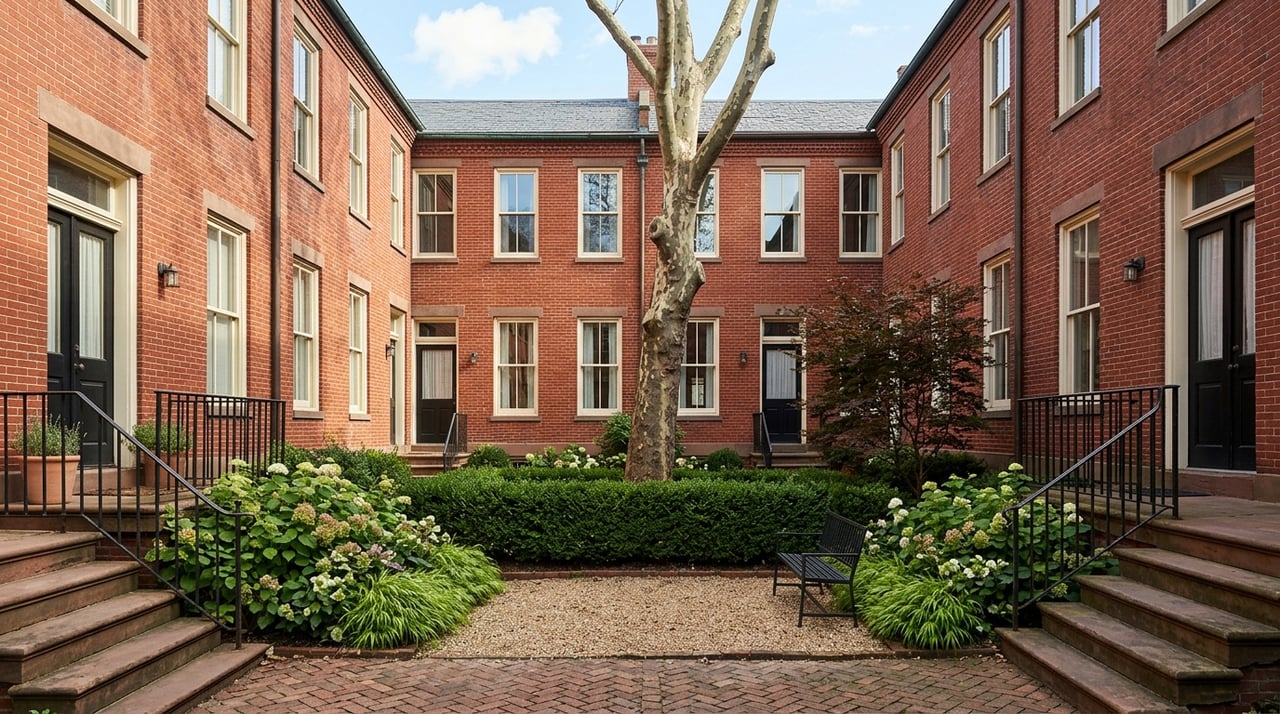
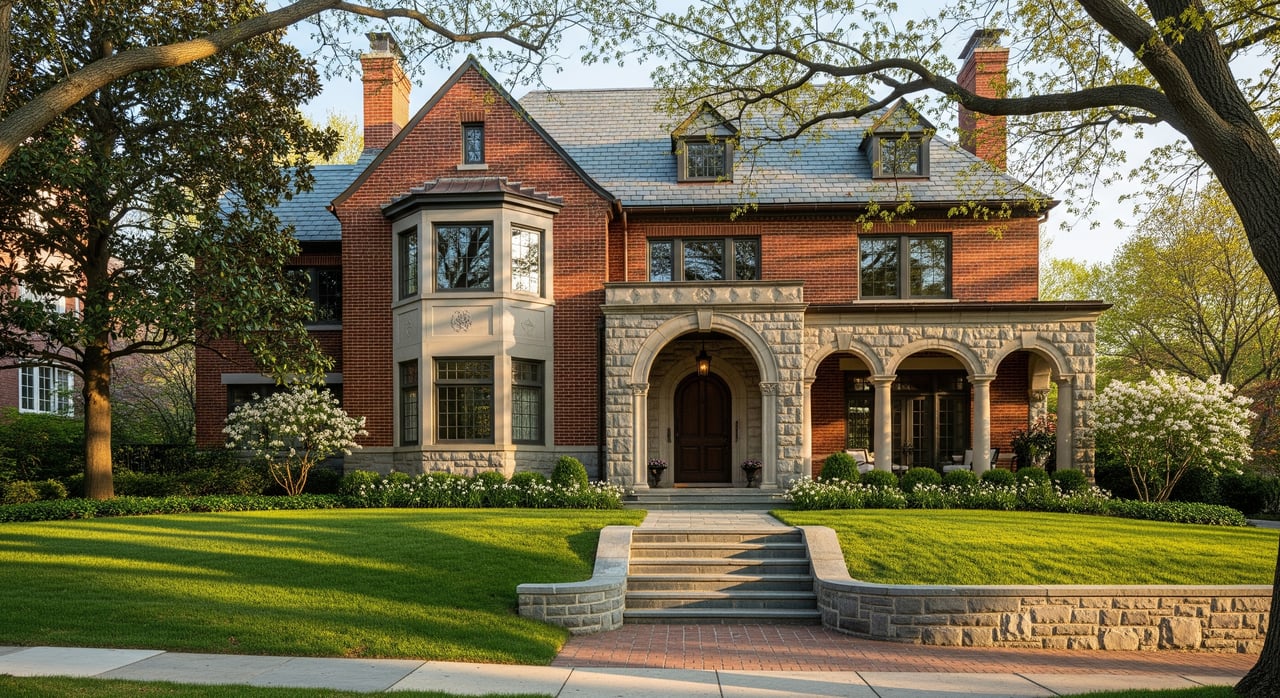
Roland Park is a historically planned neighborhood with mostly detached, early 20th century homes, including Tudor Revival, Colonial Revival, Craftsman, and Foursquare styles. Many homes offer mature trees, porches, basements, and unique lots that may slope or back to green corridors. These features create character and also introduce pricing nuance.
Buyers here often value walkable character, access to employment corridors, and a balanced urban-suburban feel. Pricing tends to be most sensitive to move-in condition, preserved historic details, privacy, and parking, rather than purely new construction finishes.
Parts of Roland Park carry historic significance. Before you promise exterior changes, confirm whether your home is within a local or federal historic district that may require exterior review and permitting. This can influence buyer pools and pricing assumptions.
Key value drivers in Roland Park
Architecture and style
Match style when possible. Buyers for Tudor or Colonial Revival homes often pay premiums for authentic period details such as woodwork, built-ins, and leaded windows. If direct style matches are scarce, use price per finished square foot with careful adjustments for condition, layout, and finishes.
Renovation and systems
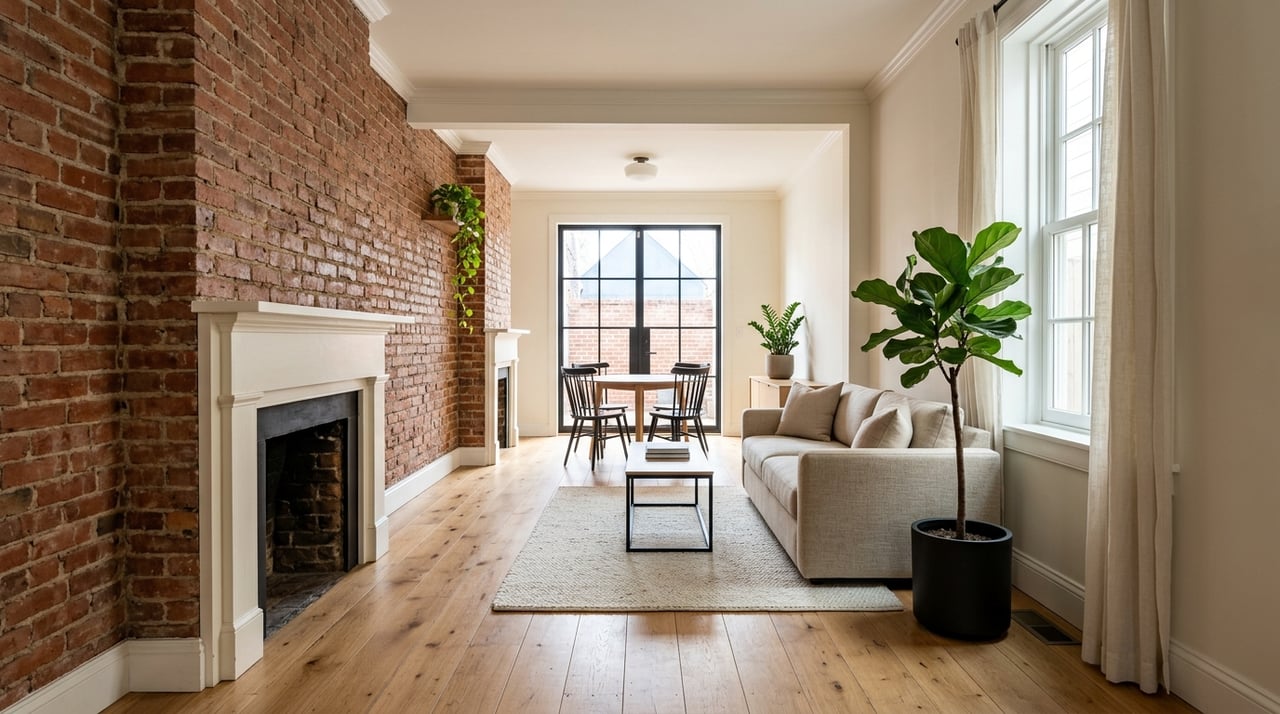
Renovation level is a top pricing driver. Full, well-documented updates to kitchens, baths, HVAC, roof, and windows can command notable premiums because they reduce buyer risk. Cosmetic updates can lift appeal but may not offset older mechanicals. Separate hard value items like systems and structure from purely cosmetic improvements when you estimate price impact.
Lot setting and outdoor space
Lot size matters, but usable yard and privacy usually matter more. Orientation, sunlight, proximity to ravines or green space, and the presence of off-street parking can shift buyer willingness to pay. Steep slopes or access challenges may require discounts, while deep, private backyards often support premiums.
Micro-streets and block effects
In Roland Park, micro-street differences can be decisive. Quiet, tree-canopied blocks, cul-de-sacs, and prominent corner or elevated lots can create micro-premiums. A same-street sale from the last 6 to 12 months should carry outsized weight in your pricing analysis.
Other influential factors
Interior flow, bedroom and bath count, and basement finish can shift value within a narrow range of similar properties. Parking is meaningful where on-street options are constrained. School assignment boundaries and commute times can influence demand, so verify current boundaries and note transit options without making qualitative claims about schools.
Build your Roland Park CMA
Select the right comps
- Start with the MLS and city records. Pull all Roland Park single-family sales from the last 6 to 12 months, extending to 12 to 24 months if activity is thin.
- Prioritize in this order: same micro-street or block, same architectural style and era, similar lot setting, similar finished square footage within 10 to 20 percent, same bed and bath count with comparable basement finish.
- Exclude outliers such as estate-size lots, new builds, or distressed sales unless your property is similar.
Make real-world adjustments
Use paired sales when available to see what buyers paid for specific differences. If you lack paired data, apply common appraisal ranges and calibrate to local evidence.
- Condition and renovation. Separate cosmetic refresh from full mechanical and kitchen or bath upgrades. Documented full renovations typically support larger premiums.
- Size. Compare price per finished square foot for primary living areas and value basement finish separately based on quality.
- Lot. Adjust for meaningful differences in lot size, topography, and privacy. Avoid per square foot lot math unless the market supports it.
- Beds and baths. In family-oriented submarkets, an extra full bath or bedroom is often meaningful.
- Parking and garage. Off-street parking can carry a noticeable premium where on-street options are tight.
Show both dollar and percentage adjustments in your CMA grid so you can explain your pricing logic clearly.
When comps are scarce
Blend approaches. Anchor to the best style and micro-street comps using price per finished square foot, then layer dollar adjustments for lot and condition. Consider pending and under-contract listings as directional signals, while relying on closed sales for firm numbers. If needed, look to adjacent neighborhoods with similar housing stock and adjust for any location premium or discount.
Measure demand and absorption
What to track
- Closed sales in the last 3, 6, and 12 months within Roland Park
- Median and average sale price, plus price per finished square foot
- Average and median days on market and list-to-sale price ratios
- Active inventory, pending sales, and new listing velocity
Calculate months of supply
Monthly absorption equals the number of closed sales in the last 30 days divided by today’s active listings. Months of supply equals active listings divided by the average monthly sales. As general guideposts, 0 to 3 months signals a strong seller’s market, 4 to 6 months suggests balance, and 7 or more months points to a buyer’s market. Use neighborhood-level data rather than broad city numbers.
Read the signal
- Rising median price, falling inventory, and shorter days on market can support a more assertive list price.
- Stable prices, longer days on market, and rising inventory suggest conservative pricing or pre-list improvements.
- Wide spreads in price per square foot often mean condition, renovation scope, and micro-location are driving results, so align your price to buyer expectations on those specifics.
Pricing strategies for spring
Choose your approach
- Market-value listing. Price close to expected market value using your best comps. This maximizes reach and preserves negotiation strength.
- Slightly under market. Consider this to spark multiple offers in tight supply on a standout micro-street. Use with care and clear evidence of strong demand.
- Aggressive overpricing. This often increases days on market and reduces showings. If you test high, set a pre-planned timeline for adjustments.
Roland Park tactics that work
- Emphasize micro-street comps. A strong same-street sale can justify a premium over broader averages.
- Document the renovation scope. Buyers value preserved historic features and updated systems when they are well documented.
- Provide system clarity. For older homes, a professional summary of HVAC, roof, electrical, and plumbing can reduce uncertainty and support pricing.
- Time your launch. Spring typically brings higher traffic. Aim to list when foliage returns and buyer activity builds, often early March through May.
Pre-list prep that boosts value
- Declutter, deep clean, and handle visible deferred maintenance.
- Target cosmetic refreshes in kitchens, baths, and the entry to maximize first impressions.
- Use professional photography and consider staging for key rooms.
- Verify measurements, lot size, and bed or bath counts against public records and your own documents.
- Gather permits, warranties, and invoices for recent work. Organized documentation builds buyer confidence.
Data sources and tools
- Bright MLS for listings, closed sales, and status data
- Baltimore City property records and assessment files to verify square footage and lot details
- Maryland Department of Assessments and Taxation for property history
- Local preservation and historic commissions to confirm exterior review requirements
- Neighborhood association updates for block-level developments
Your next step
Pricing well in Roland Park means aligning style, renovation level, lot character, and micro-street dynamics with current absorption and comp patterns. When you combine a disciplined CMA with polished presentation, you set the stage for strong market response this spring. If you want a data-backed pricing strategy and a concierge-level listing experience, connect with Christina Giffin for a focused, neighborhood-driven plan.
FAQs
What makes Roland Park pricing different from broader Baltimore?
- Micro-street differences, historic styles, renovation scope, and lot setting often drive larger price swings than neighborhood averages alone.
How should I compare a fully renovated Tudor to an unrenovated Colonial of similar size?
- Start with like-for-like style comps, then apply clear adjustments for renovation scope, systems, layout, and finishes to reconcile the gap.
Do sloped lots or ravines hurt value in Roland Park?
- It depends on usability and privacy. Steep slopes or access issues can require discounts, while private, green-facing settings often support premiums.
When is the best time to list in spring?
- Early March through May typically sees more buyers and listings. Sync your launch with current months of supply and fresh comparable sales.
Should I get a pre-inspection before listing a historic home?
- A professional summary of major systems can reduce buyer uncertainty and support pricing, especially if you address key items in advance.