Canton vs Fells Point: Find Your Ideal Baltimore Fit
January 1, 2026
January 1, 2026
Torn between Canton and Fells Point? You’re not alone. Both are beloved waterfront neighborhoods in southeast Baltimore with distinct personalities, housing styles, and daily rhythms. If you want a home that fits how you live, the details matter: streetscapes, nightlife, parking, marinas, and your commute all play a role. This guide breaks down the real differences so you can decide with confidence. Let’s dive in.
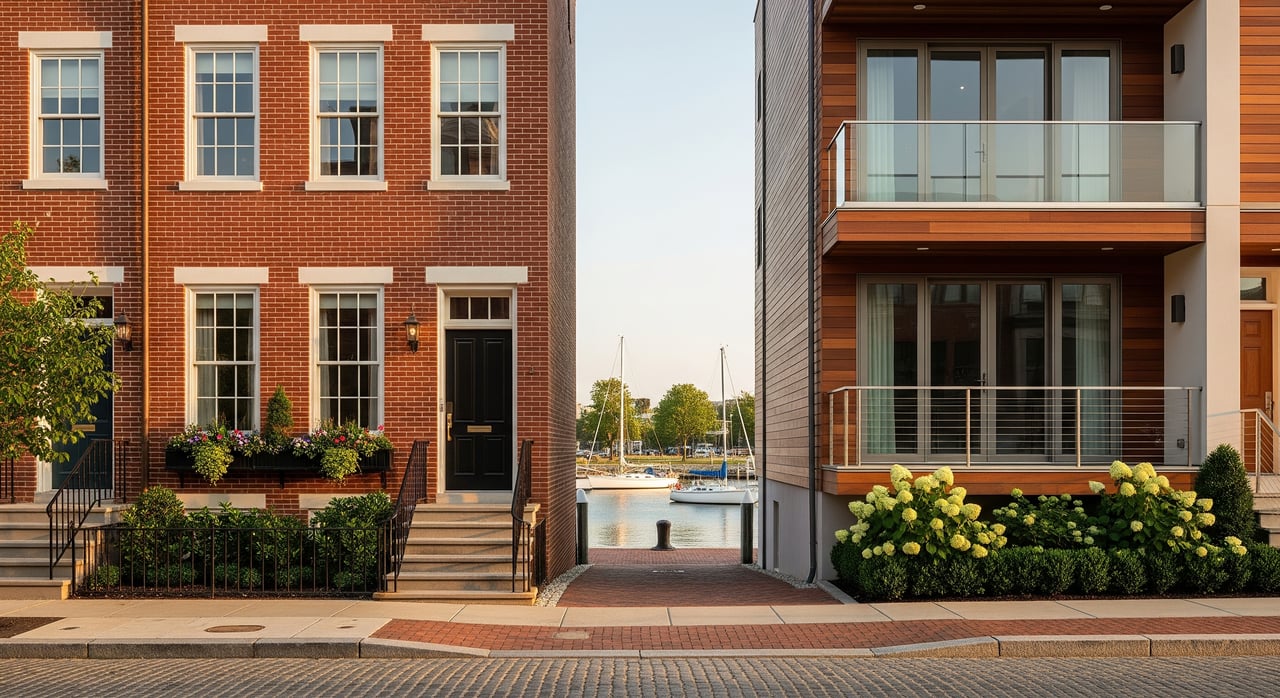
Canton blends traditional Baltimore rowhouses with modern infill, condos, and mid‑rise apartments. You’ll notice larger waterfront promenades and park space, plus a dining scene that feels neighborhood‑oriented around Canton Square and Boston Street.
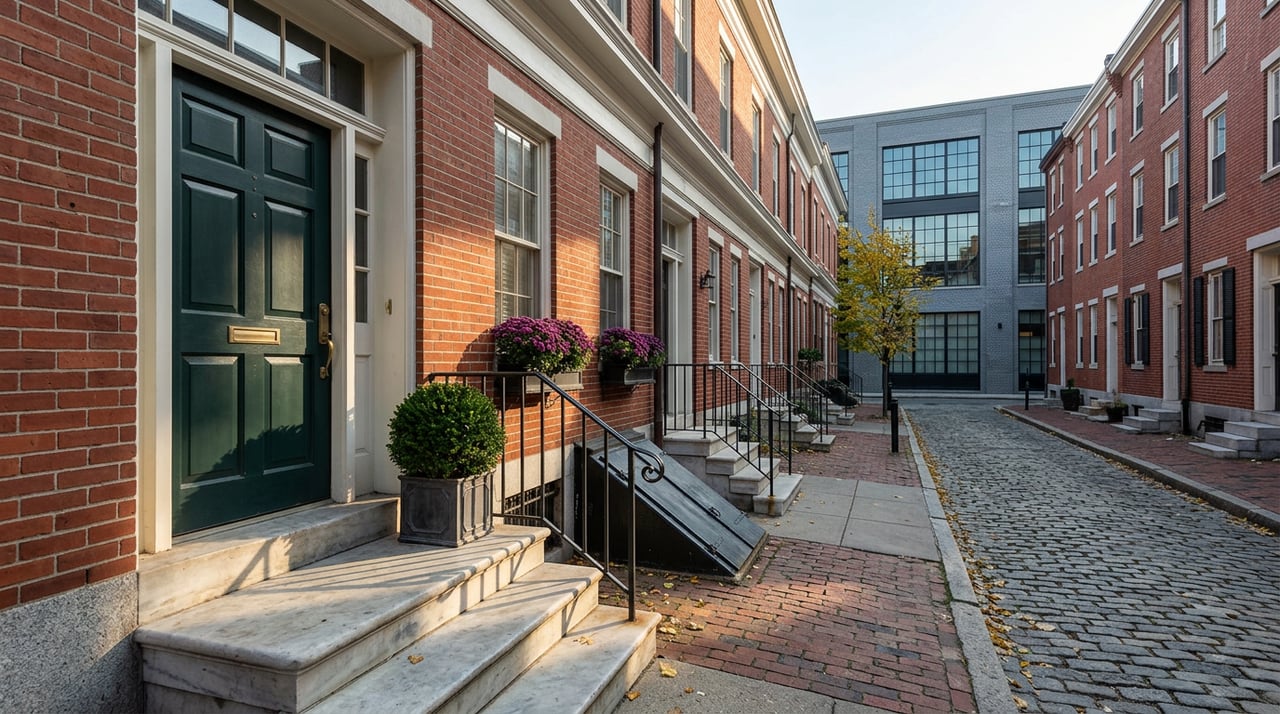
Fells Point leans historic with 18th and 19th‑century brick rowhomes, narrow lanes, and cobblestone sections. Its waterfront feels more maritime, with historic piers and private slips. Expect a denser, later‑night restaurant and bar scene along Thames Street and nearby blocks.
Bottom line: If you prefer newer construction, larger open waterfront space, and a local‑resident vibe, Canton often fits. If you love historic charm, tight walkable streets, and nightlife energy, Fells Point is a strong match.
Canton offers variety. You’ll find classic rowhouses alongside newer townhomes, condos, loft conversions, and mid‑rise apartments. Some newer buildings include garages and amenities, which can simplify parking and maintenance.
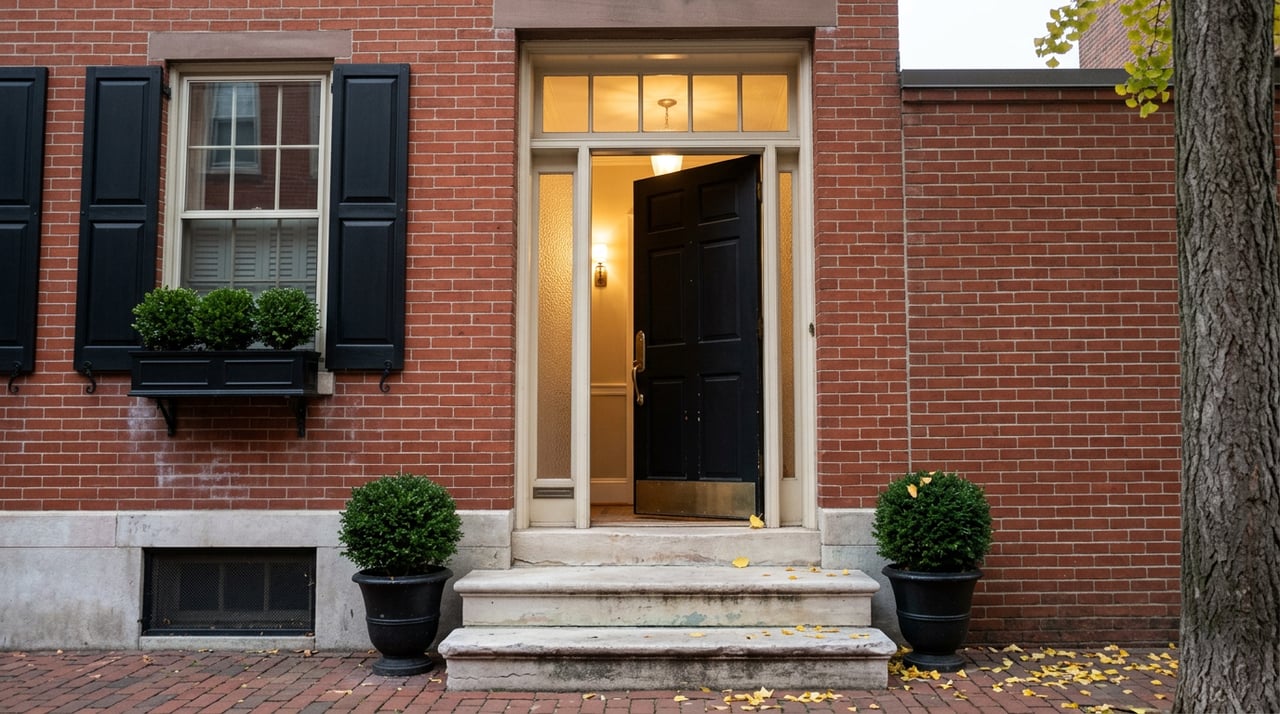
Fells Point is predominantly historic. Many homes feature brick facades, period details, and warehouse‑style conversions with exposed beams. Larger new developments are less common due to historic protections and smaller parcels, so the streetscape stays intimate and traditional.
Consider your tradeoffs:
Parts of Fells Point carry historic designations. Exterior changes to historic buildings may require review by Baltimore City’s Commission for Historical & Architectural Preservation (CHAP). This can include windows, doors, porches, and additions.
Canton also has locally regulated sections, but oversight differs block by block. Before planning projects, check CHAP maps and city zoning to understand what’s allowed for your property.
Financing matters too. Older homes with issues like lead paint or outdated electrical can affect loan underwriting, especially FHA/VA. Protect yourself by ordering thorough inspections early and discussing renovation realities and timelines with your lender.
Both neighborhoods are dining hubs, but the vibe differs.
Canton’s restaurants cluster around Canton Square and along Boston Street. The scene feels neighborhood‑focused, with a steady after‑work crowd and options that often suit a relaxed night out.
Fells Point’s energy concentrates along Thames Street and nearby blocks. Expect a denser bar scene, later hours, and live music venues. Tourism adds foot traffic, especially on weekends and during festivals.
Tip: If you’re sensitive to noise, focus more on the exact block than the neighborhood name. Proximity to a commercial corridor can shape your experience more than the general zip code.
Canton’s waterfront centers on Canton Waterfront Park. You get open lawns, wide promenades, and community events that draw neighbors for dog walks, jogging, and festivals.
Fells Point’s waterfront has a more maritime feel with piers, private slips, and active frontage tied to historic shipbuilding. Walkways follow the water, but you’ll see fewer large open lawns and more boat activity.
If boating is a priority, know that slip availability is limited and often tied to marina membership or waitlists. Fees, rules, and tidal conditions can affect how and when you use your boat. Contact local marinas and the Baltimore Harbor Master to understand current availability and policies.
Public recreation options exist in both areas, including access points for kayaks or paddleboards. For bigger green space, Patterson Park is relatively close to both neighborhoods depending on your exact block.
Both neighborhoods are highly walkable and bike‑friendly by Baltimore standards, with daily needs often within a short radius. They are well‑located for access to downtown, Johns Hopkins Bayview, Harbor East, and major corridors like I‑95 and I‑895.
Public transit options include MTA bus routes that run through and between both neighborhoods. The water taxi connects harbor destinations on seasonal schedules and routes, with stops commonly near Fells Point and Inner Harbor. Neither neighborhood is directly served by Baltimore’s heavy or light rail, so many residents rely on a mix of bus, car, bike, rideshare, or water taxi.
Plan to test your commute at typical rush hours. Congestion near downtown bottlenecks is common, and travel times can vary by route and time of day.
Street parking is competitive in both Canton and Fells Point, with resident permit zones and time‑restricted areas on certain blocks. Canton offers more homes with built‑in garages or small off‑street spaces in some subareas, while many Fells Point properties depend on street parking or leased spaces.
If you have multiple cars or regular guests, prioritize listings with off‑street parking or easy access to private lots. Moving trucks and contractor vehicles can be a challenge on narrow streets in both neighborhoods, so plan deliveries and moves with local rules in mind.
Use this quick checklist as you narrow your search:
Lifestyle fit
Housing needs
Waterfront and boating
Commute and transit
Regulations and costs
Practical logistics
Spending a day in each neighborhood will clarify what feels right. Try these sample itineraries and note what you experience on the street where you might live.
Choosing between Canton and Fells Point is less about picking a name and more about choosing a block that fits your daily life. From CHAP rules to marina waitlists and parking realities, local guidance can save you time and stress. If you want a clear, step‑by‑step path to the right home, reach out to a neighborhood expert who knows both markets deeply.
Ready to compare specific streets and homes that match your lifestyle? Connect with Christina Giffin for tailored advice and on‑the‑ground insight.




Christina take great pride in the relationships. She builds and always works relentlessly on the client's behalf to help them achieve their real estate goals.