What Life in Homeland Baltimore Feels Like by the Lakes
April 16, 2026
April 16, 2026
What makes a neighborhood feel livable day after day, not just attractive on a map? In Homeland, the answer often starts with the lakes, the walking paths, and the way the landscape shapes everyday routines. If you are exploring York-Homeland and wondering what daily life really feels like here, this guide will walk you through the setting, the rhythm, and the practical details that define living around the lakes. Let’s dive in.
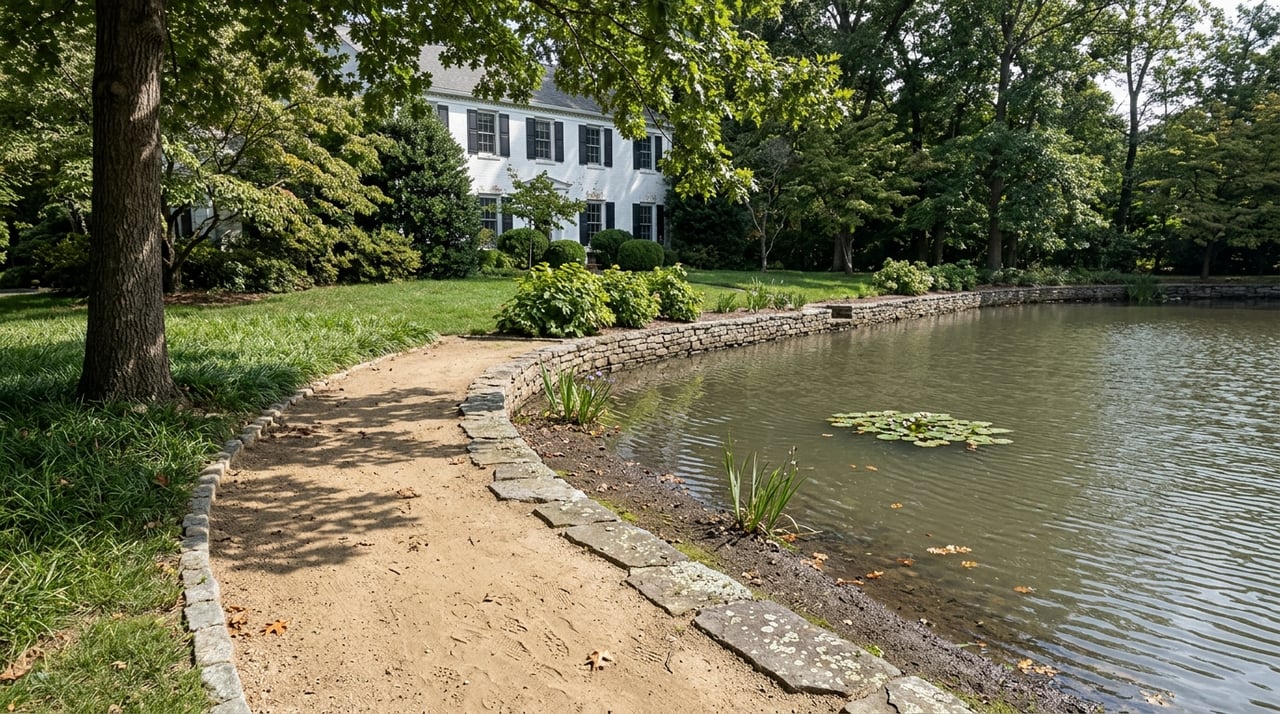
One of Homeland’s most defining features is its network of six decorative lakes and connected green spaces. According to the Homeland Association’s neighborhood history, these lakes have long been central to the community’s design and everyday use.
The neighborhood itself was developed beginning in 1924 by the Roland Park Homeland Company. The National Park Service-recognized landscape history referenced by the association notes that the Olmsted Brothers retained and enhanced a chain of stream-fed ponds, then paired that natural feature with curving roads, sidewalks, and large canopy trees.
That planning still matters today because it gives Homeland a distinct rhythm. The lakes are not just visual amenities. They help create a setting where walking, jogging, and spending time outdoors can feel like a natural part of your routine.
If you picture daily life in Homeland, it is easy to understand why the lakes come up first. The Homeland Association describes them as a natural gathering spot for walkers and joggers in every season, and notes that pedestrian paths connect parts of the neighborhood.
That design can shape how you experience an ordinary day. A quick walk, a loop around the water, or a trip through the neighborhood on foot can feel more integrated into daily life here than in places built around busier through-traffic or tighter blocks.
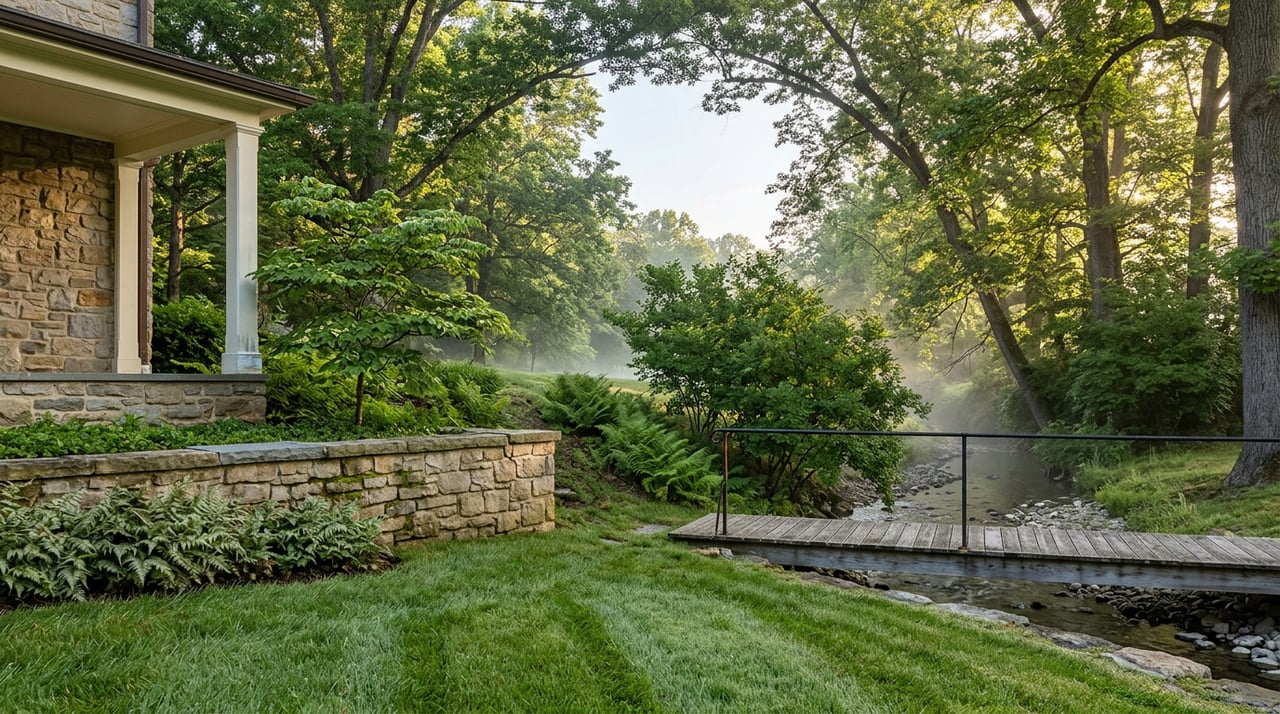
The neighborhood’s green spaces are also supported by the Homeland Community Foundation’s beautification work, which helps maintain public park spaces in line with the original Olmsted-inspired design. For buyers who care about landscape, setting, and a sense of continuity, that is an important part of Homeland’s appeal.
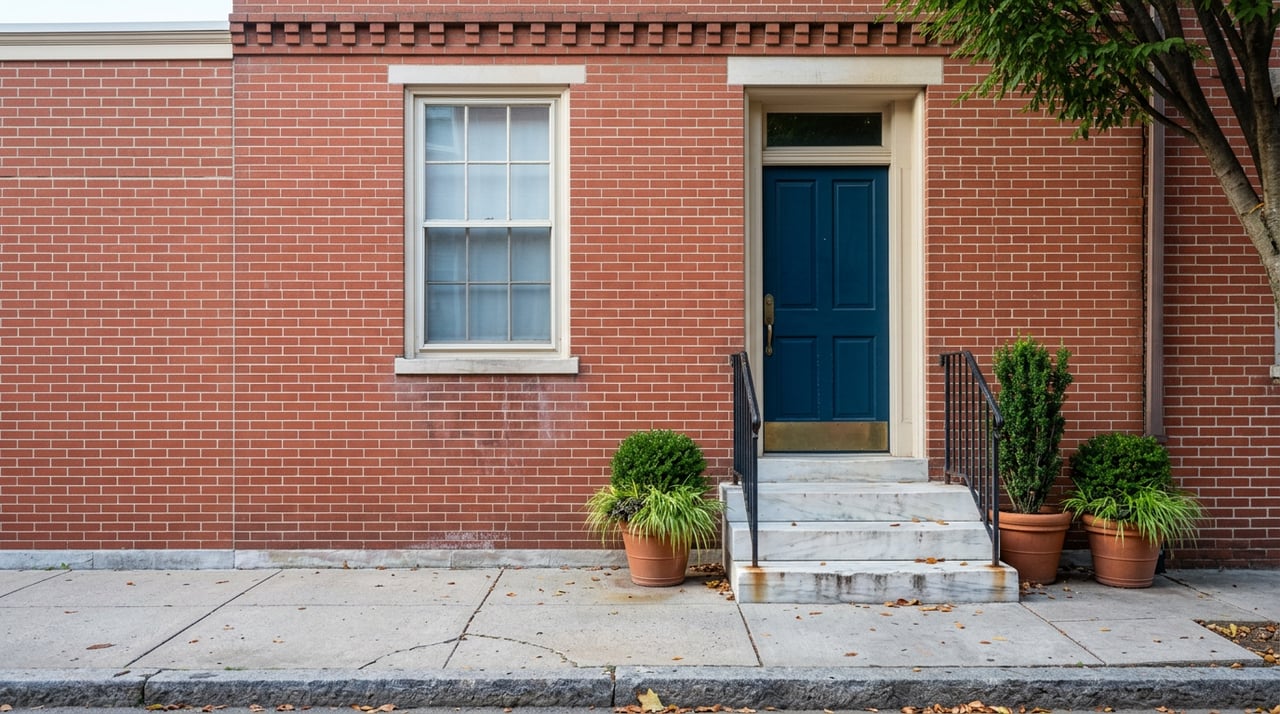
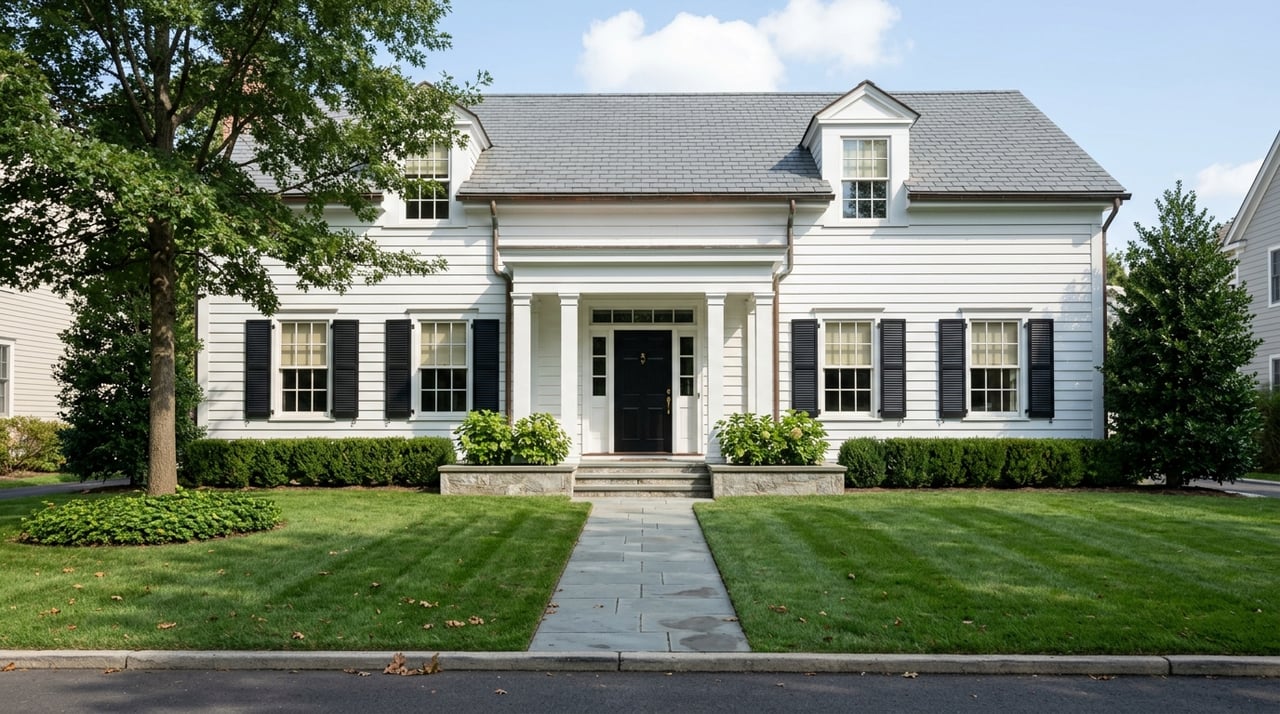
Homeland is known for its established housing stock rather than large waves of new construction. Live Baltimore’s neighborhood profile says many of the homes date from 1924 through the mid-1940s, which gives the area a clearly historic character.
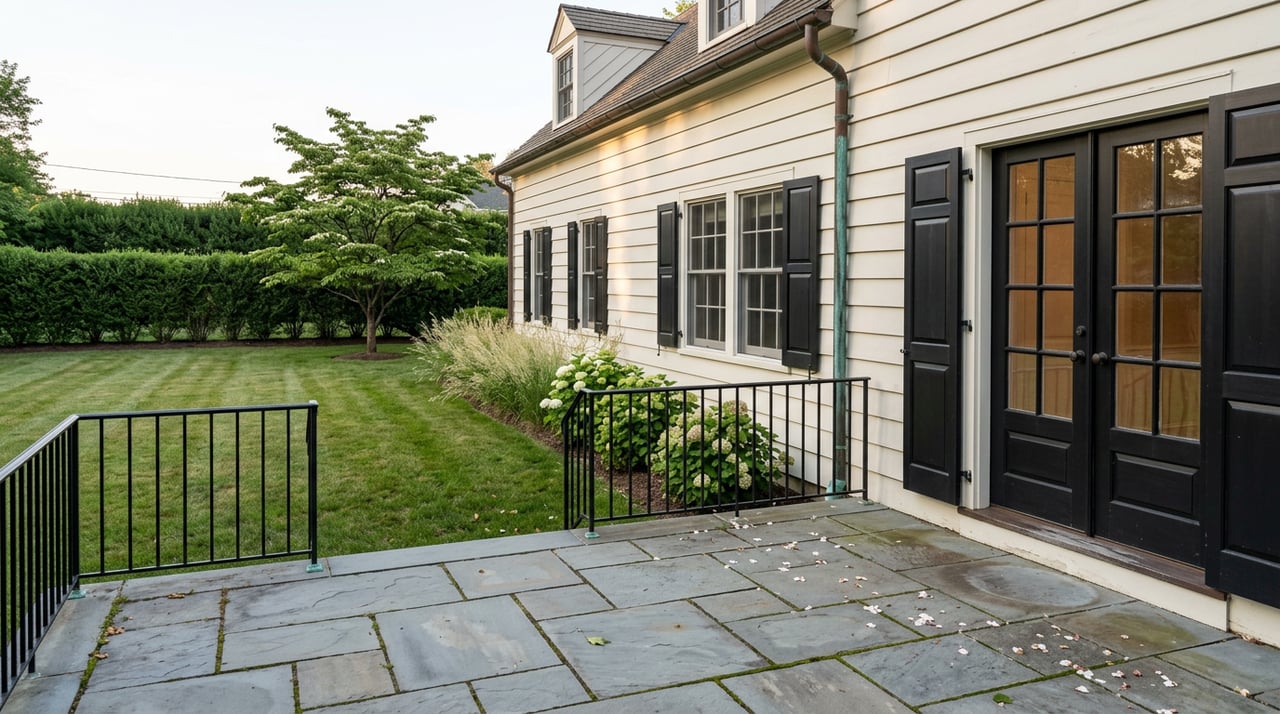
That historic identity is reinforced by neighborhood standards. The Homeland Association notes that exterior changes go through an architectural review process, which helps preserve the community’s traditional appearance.
For you as a buyer or homeowner, that can mean a more consistent streetscape and a stronger sense of architectural continuity. It can also mean understanding that updates to a home’s exterior may involve an added layer of review, which is worth factoring into your planning if you love the idea of owning in a historically oriented neighborhood.
Homeland was placed on the National Register of Historic Places in 2001, according to the Homeland Association. The association also notes that qualifying restoration work may be eligible for historic tax credits.
That does not mean every home project will qualify, but it does add another layer of context for owners who value preservation. If you are comparing neighborhoods in North Baltimore, Homeland stands out because its historic designation is tied not only to the homes, but also to the broader landscape plan and neighborhood design.
A major part of Homeland’s appeal is the balance between residential calm and practical access. Live Baltimore describes Homeland as a quiet neighborhood of mainly detached homes with a suburban feel inside city limits.
At the same time, the neighborhood sits between Charles Street and York Road. That location helps keep daily errands, dining, and local entertainment within reach without changing the primarily residential character of the neighborhood itself.
For many buyers, that balance is the key lifestyle question. Homeland offers a more tucked-away feel, but it still connects well to the parts of Baltimore people use regularly.
When you live in Homeland, many practical day-to-day stops extend into the York Road corridor. Live Baltimore says residents can walk to restaurants on York Road and to nearby Belvedere Square.
According to the official Belvedere Square site, the area offers a mix of retail shopping, dining, and services. That kind of nearby convenience matters because it supports a neighborhood lifestyle where you can enjoy a residential setting without feeling far removed from everyday needs.
The area also includes nearby destinations like the Senator Theatre, highlighted by Live Baltimore. For many people, that mix of neighborhood quiet and close-by activity is what makes Homeland feel sustainable over the long term, not just appealing at first glance.
If you need to reach central Baltimore regularly, Homeland offers reasonable access. Live Baltimore lists Charles Center at about 20 minutes and Penn Station at about 15 minutes, along with a Transit Score of 55.
Transit on York Road has also seen recent improvement efforts. The Maryland Transit Administration has worked on a bus lane pilot between Radnor Avenue and Bellona Avenue and added transit signal priority on York Road to improve travel times and reliability, as noted in the research summarized above.
For buyers who want a more residential setting but still need workable city access, that transportation context is useful. Homeland is not defined by a fast-paced urban core feel, but it is also not cut off from key destinations.
Homeland’s everyday appeal is not only about landscape or architecture. It is also about rhythm. A Baltimore Fishbowl neighborhood spotlight describes annual traditions such as picnics, holiday caroling around the lakes, movie nights, and a Halloween parade.
Those kinds of recurring events can tell you a lot about how a place functions over time. In Homeland, the seasonal calendar seems to reinforce the idea that shared outdoor spaces are part of the neighborhood’s identity.
The Homeland Garden Club adds to that pattern with monthly meetings, seasonal garden tours, tree plantings, floral design workshops, and other gatherings throughout its program year. Together, these activities paint a picture of a neighborhood where landscape and community life are closely linked.
Lifestyle matters, but so does market context. In Live Baltimore’s 2025 neighborhood sales report, Homeland recorded 41 sales, with an average sale price of $716,505 and a median sale price of $659,000.
Those numbers do not tell the whole story of value, but they do help frame buyer expectations. In a neighborhood known for detached homes, historic character, and a carefully maintained setting, pricing often reflects both the property itself and the surrounding environment.
If you are comparing Homeland to nearby North Baltimore neighborhoods, this is where hyper-local guidance becomes especially valuable. Block feel, lot size, house condition, and location near the lakes can all affect how a home fits your goals.
The clearest takeaway about Homeland is that the neighborhood’s design still influences real life. The lakes, paths, curving roads, and mature trees are not background details. They help shape how the neighborhood is used and experienced.
If you are drawn to established architecture, a strong sense of place, and daily access to meaningful green space, Homeland offers a lifestyle that stands apart in Baltimore. It feels planned, historic, and intentionally preserved.
And if you are weighing whether Homeland is the right fit for your next move, it helps to look beyond square footage and sale prices. The bigger question is whether you want a neighborhood where the landscape itself plays a role in how you live.
If you are considering buying or selling in Homeland or anywhere in North Baltimore, working with a local advisor can help you evaluate not just the home, but the lifestyle behind the address. Christina Giffin offers thoughtful, neighborhood-specific guidance to help you move with clarity and confidence.

Christina take great pride in the relationships. She builds and always works relentlessly on the client's behalf to help them achieve their real estate goals.