Planning Your Move From City Living to Homeland
July 23, 2026
July 23, 2026
Thinking about trading your city condo for a detached home in Homeland? It can be an exciting move, but it also comes with a very different budget, maintenance routine, and buying strategy. If you want more space, more yard, and a quieter residential setting without giving up Baltimore access, this guide will help you understand what to expect in York-Homeland and how to plan your next step with confidence. Let’s dive in.
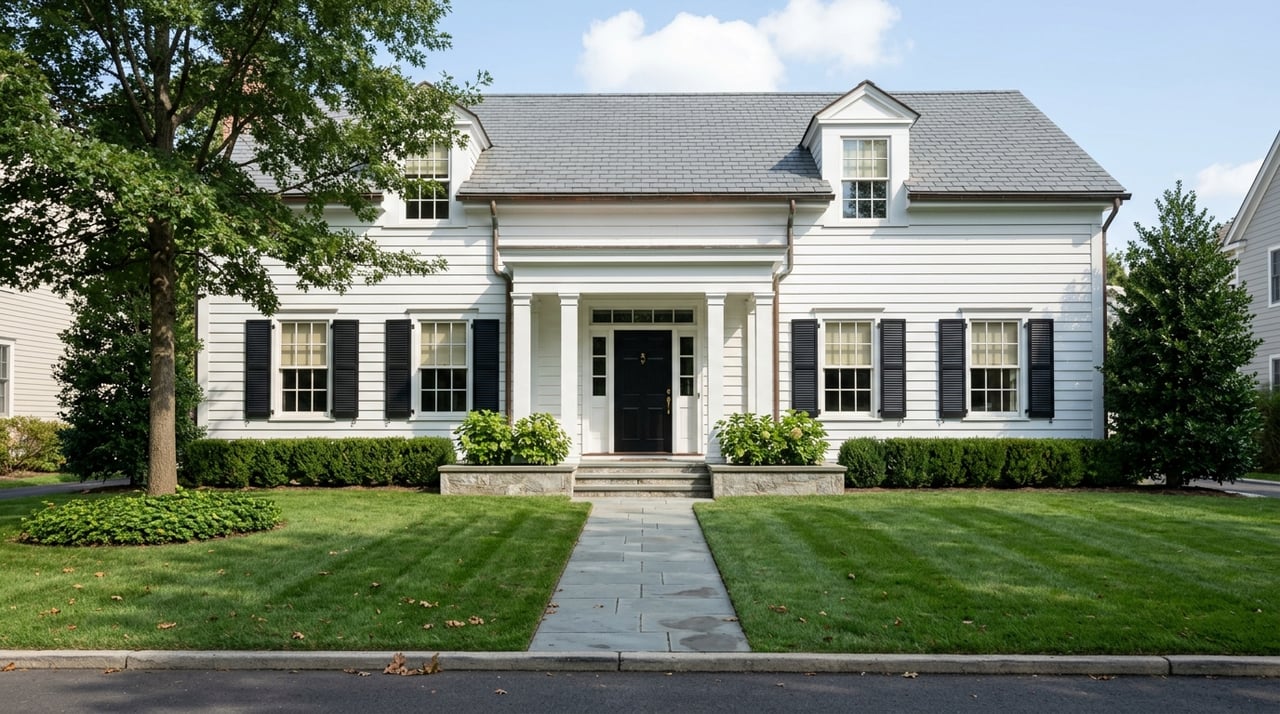
Homeland offers a distinct change of pace from condo living. It is a quiet residential neighborhood in North Baltimore known for detached homes, curving roads, broad boulevards, and preserved ponds and lakes. The neighborhood was developed beginning in 1925 as a planned subdivision by the Roland Park Company, with a layout by the Olmsted Brothers.
For many buyers, the appeal is simple. You get a more suburban feel while staying within city limits. Live Baltimore also notes an active community association, which adds structure and continuity to daily life in the neighborhood.
Homeland is roughly bounded by Charles Street, Homeland Avenue, York Road, and Melrose Avenue. The neighborhood includes about 1,000 homes, making it established and substantial without feeling overwhelming.
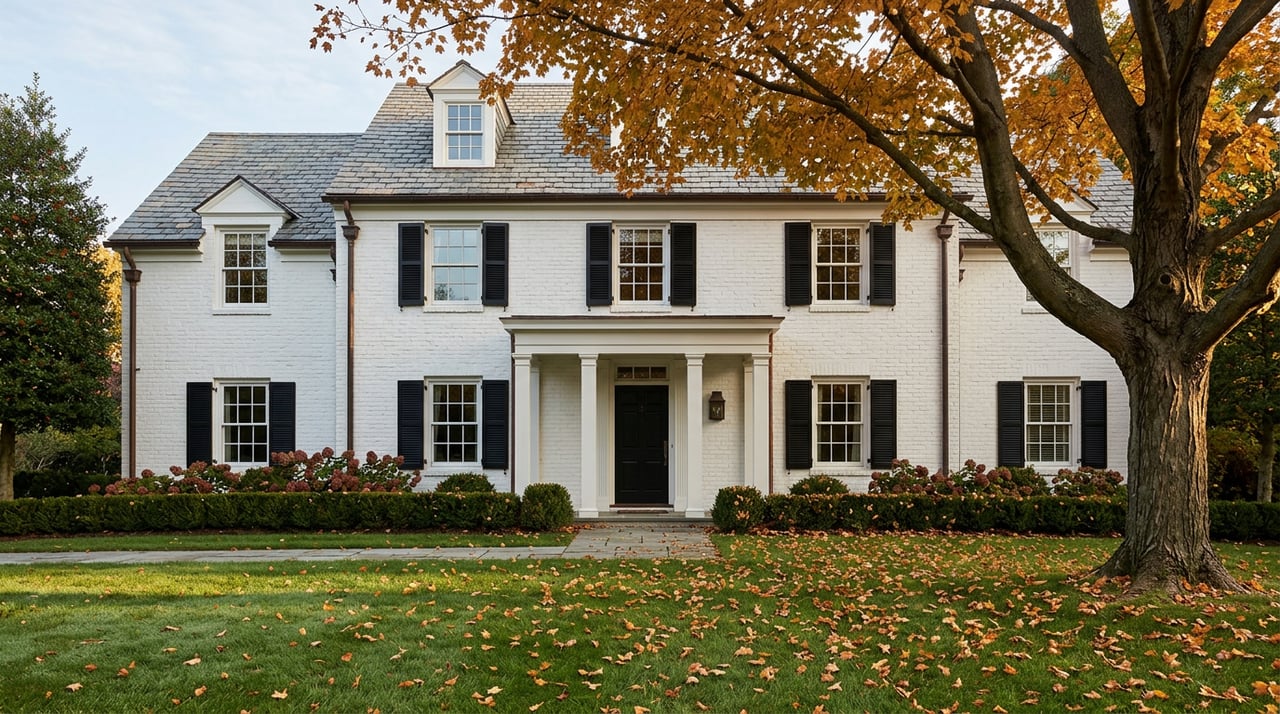
If you are coming from a condo, the biggest visual shift is space. Homeland is known for single-family detached homes with traditional architecture and larger lots than you typically find with urban condos or rowhomes.
The architecture is varied, but intentionally cohesive. Association history and the National Register record describe Georgian, Tudor, Norman, French country, and Early American influences, with consistently high-quality design and construction.
Many homes also include rear lanes that hide garages and service access. Utility lines were routed through these lanes to preserve the front streetscape, which helps maintain the landscaped look that many buyers notice right away.
A condo buyer moving into Homeland should expect a meaningful jump in both interior and exterior space. Homes.com neighborhood data lists an average single-family home size of 3,072 square feet and a median lot size of 9,147 square feet.
Recent listing examples show lots ranging from about 0.19 acre to 0.85 acre. That does not mean every property will feel the same, but it does show that yard space, setbacks, and a more open layout are normal parts of the Homeland experience.
Moving from a city condo to Homeland often means entering a higher price tier. Live Baltimore’s current neighborhood profile lists a median home purchase price of $675,000, and its 2025 neighborhood sales report shows a median sale price of $659,000 and an average sale price of $716,505 across 41 sales.
At the same time, the neighborhood is not one-size-fits-all. Redfin reported a trailing 3-month median sale price of about $800,000 ending May 2026, with recent sold homes ranging from $355,000 to $1.25 million. Different sources use different time frames and methods, so the exact number will vary, but the bigger takeaway is clear: Homeland spans multiple price points within a mostly detached-home setting.
Homeland is also described as very competitive, with homes averaging about 33 days on market in that same Redfin snapshot. If you are moving up from a condo, that matters because you may need a tighter plan for financing, timing, and decision-making.
One of the biggest planning mistakes buyers make is comparing only the mortgage payment. A detached home budget works differently than a condo budget, especially in a neighborhood like Homeland.
In a condominium, Maryland law generally places common element maintenance on the council of unit owners, while the individual owner maintains the unit itself. In Homeland, homeowners are responsible for maintaining their own homes, and the association’s covenants also require owners to maintain their property and seek written approval for exterior changes.
That shift can be significant. Instead of relying on condo management for many shared responsibilities, you are now planning for roof work, exterior repairs, landscaping, drainage, tree care, and seasonal upkeep on your own property.
Before you make an offer, it helps to model the full monthly and annual cost of ownership. That should include more than principal and interest.
Be sure to account for:
Baltimore City also adds local transaction costs. The city transfer tax is 1.5% of taxable basis, with the first $22,000 of consideration exempt for owner-occupied residential property.
Buyers who are used to condo updates often assume they can move into a detached home and make exterior changes quickly. In Homeland, that process may take more planning.
The Homeland Architectural Committee reviews exterior modification applications, and association approval does not replace Baltimore City permitting. If you are considering an addition, fence, window change, or other exterior work, you should build extra time into your plan.
This does not have to be a drawback, but it is part of buying thoughtfully in a neighborhood with a defined visual character. If you love the look and consistency of Homeland, these review steps are part of what helps preserve that environment.
For many condo owners, location convenience is non-negotiable. The good news is that Homeland can offer more space without completely stepping away from city access.
Live Baltimore lists nearby public transit travel times of about 20 minutes to Charles Center and about 15 minutes to Penn Station. MTA Route 51 also stops at Charles Street and Homeland Avenue on its Towson-to-Downtown line.
That makes Homeland a practical option for buyers who want a residential setting but still need regular access to central Baltimore destinations. Your day-to-day routine may change, but it does not have to become isolated.
Timing is often the hardest part of a move-up purchase. If you already own a condo, you are not just buying a house. You are also coordinating two financial timelines.
In general, homeowners often try to sell their existing home before buying another one. A sell-first strategy can reduce the risk of carrying two housing payments at once, which is especially important when moving into a higher-cost detached home.
A buy-first strategy can work in the right situation, but it usually makes the most sense when you can comfortably manage overlap or you have lender-approved temporary financing. Federal mortgage rules recognize temporary bridge loans of 12 months or less for a buyer planning to sell a current dwelling within 12 months.
If you are unsure which path fits, start with your risk tolerance and cash flow. This quick breakdown can help:
| Strategy | Best For | Main Advantage | Main Risk |
|---|---|---|---|
| Sell first | Buyers who want to reduce financial overlap | Lower double-carry risk | You may need temporary housing or flexible timing |
| Buy first | Buyers with strong reserves or approved short-term financing | More time to find the right house | Carrying two properties at once |
No matter which path you choose, purchase offers should be contingent on financing and a satisfactory inspection. In a competitive neighborhood, planning these details early can help you act faster when the right home appears.
A successful move from condo living to Homeland starts with honest planning. You are not just upgrading square footage. You are changing how you live, maintain, budget, and move through the city.
Start by getting clear on the kind of space you want, the monthly cost you can comfortably carry, and whether your condo sale needs to happen before you buy. Then look closely at the tradeoffs that matter most to you, such as yard size, renovation potential, commute patterns, and how much home maintenance you want to take on.
Homeland can be a compelling next chapter if you are ready for more space and a more hands-on ownership experience. With the right strategy, the move from city condo to Homeland home can feel less overwhelming and much more intentional.
If you are weighing a move to York-Homeland and want neighborhood-specific guidance on pricing, timing, and how to structure your next step, connect with Christina Giffin.





Christina take great pride in the relationships. She builds and always works relentlessly on the client's behalf to help them achieve their real estate goals.